
Fit Comes First: Why Choosing the Correct Shoe Size Improves Comfort, Health, Performance, Confidence, and Durability
Most people focus on brand, design, or price when buying shoes—but overlook the most important factor: shoe size and fit. Wearing the wrong shoe size is one of the biggest reasons behind foot pain, discomfort, poor posture, and even long-term health issues. Whether you wear sports shoes, sneakers, football studs, or casual footwear, the correct fit directly affects your comfort, health, performance, confidence, and durability.
In this blog, we’ll explore why shoe size matters so much, common mistakes people make, and how choosing the right fit can completely change how you walk, run, and live. and definitely going to explore about the right way to pick perfect shoes
Why Shoe Size Is More Important Than You Think
Your feet carry your entire body weight. When shoes are too tight or too loose, pressure points develop, leading to pain and imbalance. Over time, this can cause issues not only in the feet but also in the knees, hips, and lower back.
Correct shoe size helps:
- Maintain natural foot alignment
- Reduce friction and pressure points
- Improve balance and posture
- Prevent fatigue during long wear
A proper fit supports your body from the ground up.https://gunners.in/
Common Shoe Size Mistakes People Make
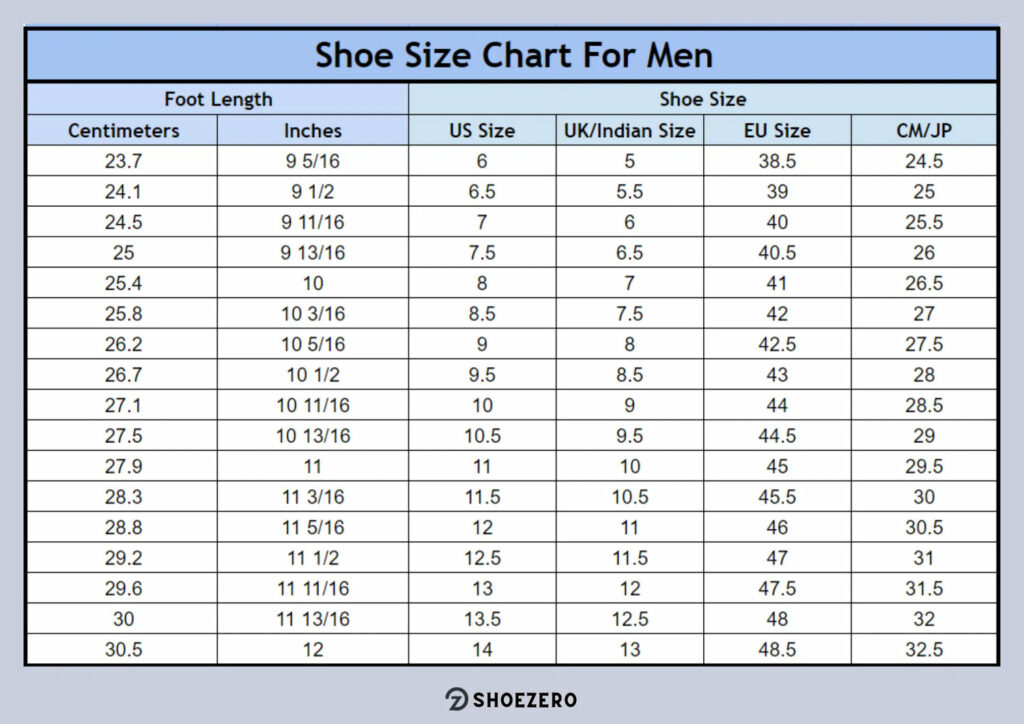
Many people unknowingly wear the wrong shoe size for years. Some of the most common mistakes include:https://www.nike.com/in/size-fit/mens-footwear
- Buying shoes based on old measurements (feet change with age)
- Choosing style over fit
- Wearing tight shoes expecting them to “break in”
- Ignoring width and arch type
- Assuming both feet are the same size
Even a half-size difference can cause discomfort over time and will going to effect your health eventually
How Wrong Shoe Size Affects Foot Health
Incorrect sizing can lead to several foot problems, including some life long injuries
- Blisters and calluses
- Ingrown toenails
- Heel pain and arch strain
- Bunions and toe deformities
- Reduced blood circulation
In sports shoes, wrong sizing increases the risk of ankle injuries and muscle fatigue, especially during running or training.
The Role of Fit in Sports and Performance
For athletes and active individuals, shoe fit directly impacts performance. A shoe that fits well allows better energy transfer, faster movement, and improved control.
Benefits of correct sizing in sports shoes here are some examples
- Better grip and stability
- Reduced risk of slipping or rolling ankles
- Improved running efficiency
- Greater confidence during movement
When shoes fit properly, your focus stays on performance—not discomfort.
Understanding Length, Width, and Toe Space
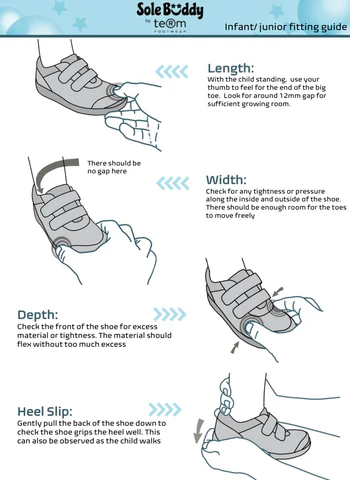
Shoe size isn’t just about length. Three key elements define a good fit:
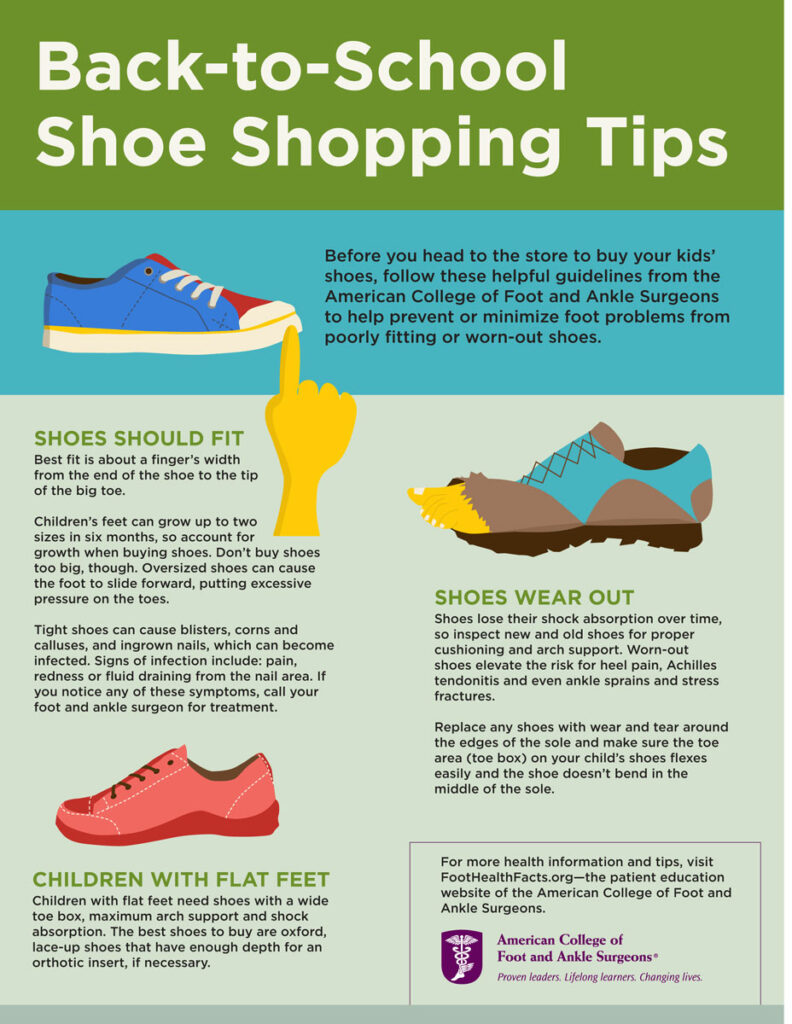
- Length: There should be about a thumb’s width of space between your longest toe and the shoe tip.
- Width: Shoes should not squeeze the sides of your feet or create pressure points.
- Toe Box Space: Toes should move freely without rubbing or curling.
A well-fitted shoe feels snug but never tight.
Best Time and Way to Measure Your Feet
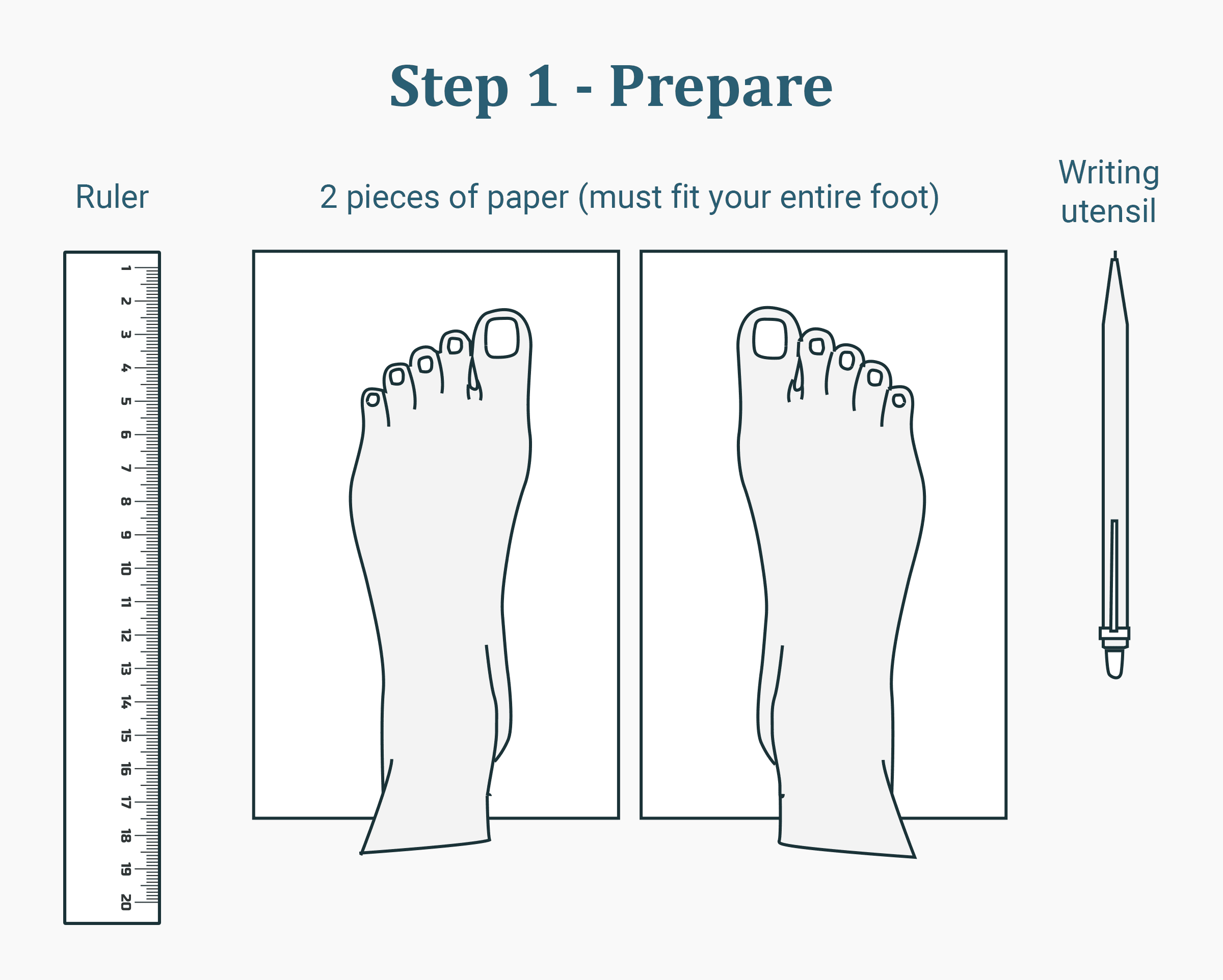
Feet naturally expand during the day due to movement and gravity. That’s why measuring at the right time matters.
Best practices is as follows
- Measure feet in the evening
- Stand while measuring (don’t sit)
- Measure both feet and choose the larger size
- Wear the type of socks you’ll normally use
Accurate measurement ensures long-term comfort.
How Proper Fit Improves Shoe Durability
Shoes that fit correctly last longer. When shoes are too tight, materials stretch and tear faster. When too loose, excessive movement causes internal damage.
Correct fit helps:
- Maintain shoe shape
- Prevent sole separation
- Reduce inner lining wear
- Extend overall shoe lifespan
Durability starts with fit, not just material quality.