
For decades, Reebok was more than just a sportswear brand—it was a cultural force. From gym floors to hip-hop stages, from Olympic tracks to everyday streets, Reebok shoes once symbolized performance, style, and rebellion. Yet today, while competitors dominate conversations around innovation and hype, Reebok seems to have faded into the background.
This raises a critical question for sneaker lovers and athletes alike: what went wrong with Reebok? How did a brand that once challenged Nike and Adidas struggle to stay relevant in a rapidly evolving market of reebok sneakers, reebok trainers, and reebok mens collections?
Let’s take a deep dive into Reebok’s journey—its rise, its missteps, and whether a comeback is still possible.
The Golden Era: When They Ruled the World
To understand what went wrong, we must first understand what Reebok did right.
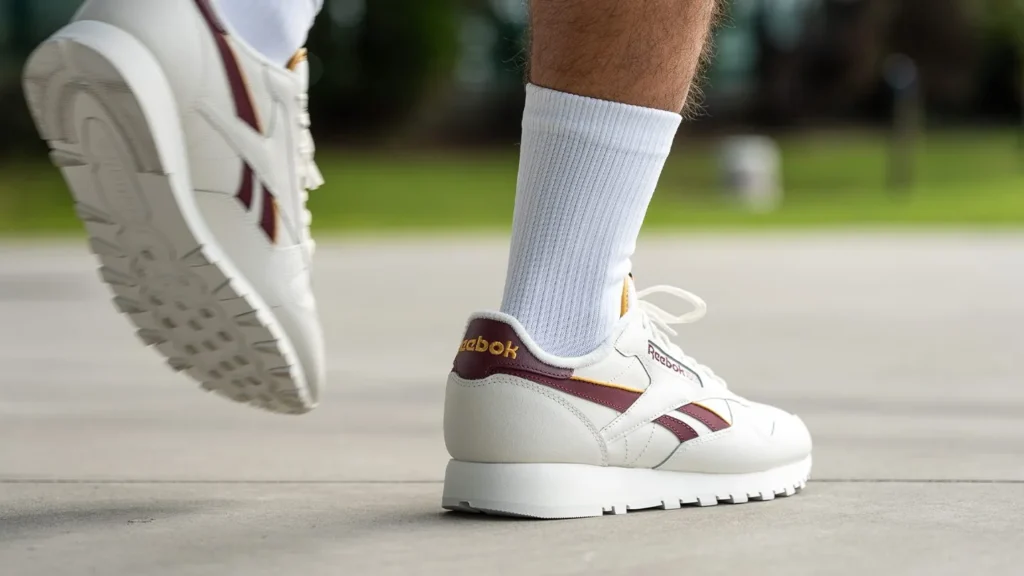
During the 1980s and early 1990s, Reebok dominated the global footwear market. The brand exploded in popularity by focusing on fitness culture, especially aerobics—a segment Nike initially ignored. Products like the Freestyle became iconic, making Reebok the first major sports brand to aggressively market women-focused athletic shoes.
At its peak:
- They outsold Nike in the U.S.
- They trainers were seen as cutting-edge fitness gear
- They shoes symbolized modern athletic lifestyle
- The brand became deeply embedded in pop culture and sports
This era established Reebok as a powerhouse—but it also planted the seeds for future problems.
Losing Focus: Too Many Directions, No Clear Identity
One of the biggest reasons Reebok declined was brand confusion.
Nike stood for innovation and elite athletes.
Adidas stood for heritage and street culture.
But what did Reebok stand for?
Over time, Reebok tried to be everything:
- A hardcore sports brand
- A fitness lifestyle brand
- A fashion-forward sneaker label
- A retro nostalgia brand
Instead of strengthening its identity, this approach diluted it.
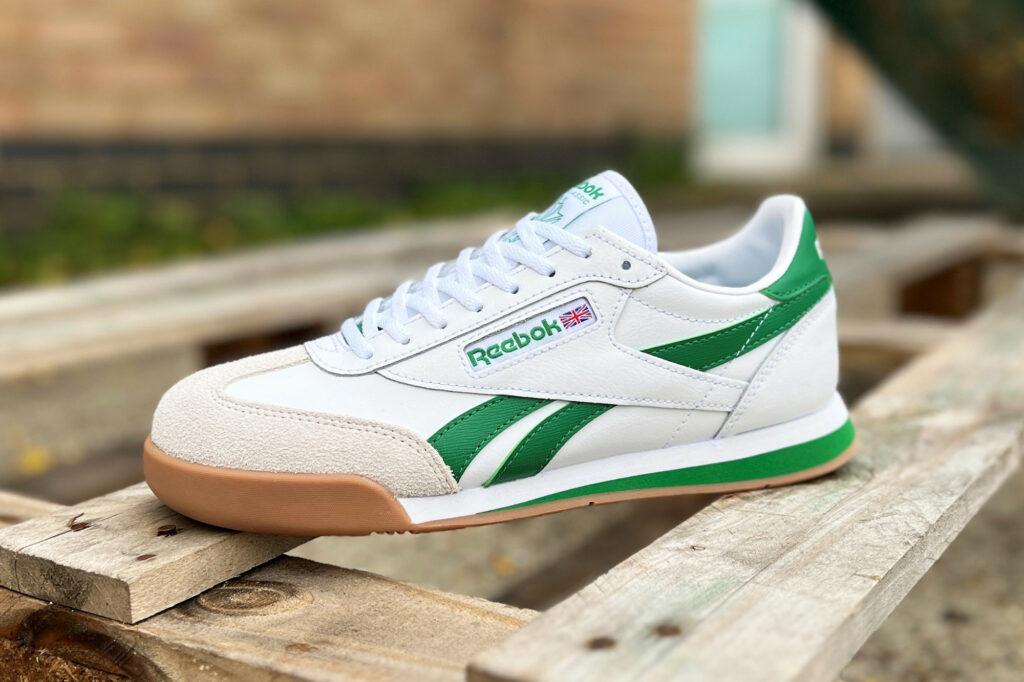
Consumers no longer knew whether reebok sneakers were meant for serious training, casual wear, or fashion statements. In an era where brand storytelling matters more than ever, Reebok’s message became unclear—and that confusion hurt trust and loyalty.
The Adidas Acquisition: Help or Hindrance?
In 2006, Reebok was acquired by Adidas in a deal worth billions. On paper, it seemed like a smart move: Adidas would challenge Nike by combining forces with Reebok.
In reality, the acquisition created more problems than solutions.
Instead of investing deeply in Reebok’s innovation and marketing:
- Adidas prioritized its own flagship brand
- Reebok was positioned as a secondary label
- Product innovation slowed significantly
While Adidas focused on collaborations, performance tech, and lifestyle dominance, Reebok trainers felt outdated. The brand became stuck recycling older designs instead of pushing boundaries.
This led to a perception that Reebok shoes were “behind the times.”

Innovation Gap: Falling Behind in Technology
Sneaker culture thrives on innovation—and Reebok simply couldn’t keep up.
Nike introduced Flyknit, React foam, and aggressive performance storytelling. Adidas launched Boost technology and reshaped comfort standards across the industry.
Reebok, on the other hand:
- Failed to introduce breakthrough cushioning tech
- Relied heavily on legacy silhouettes
- Missed the performance-to-lifestyle crossover trend
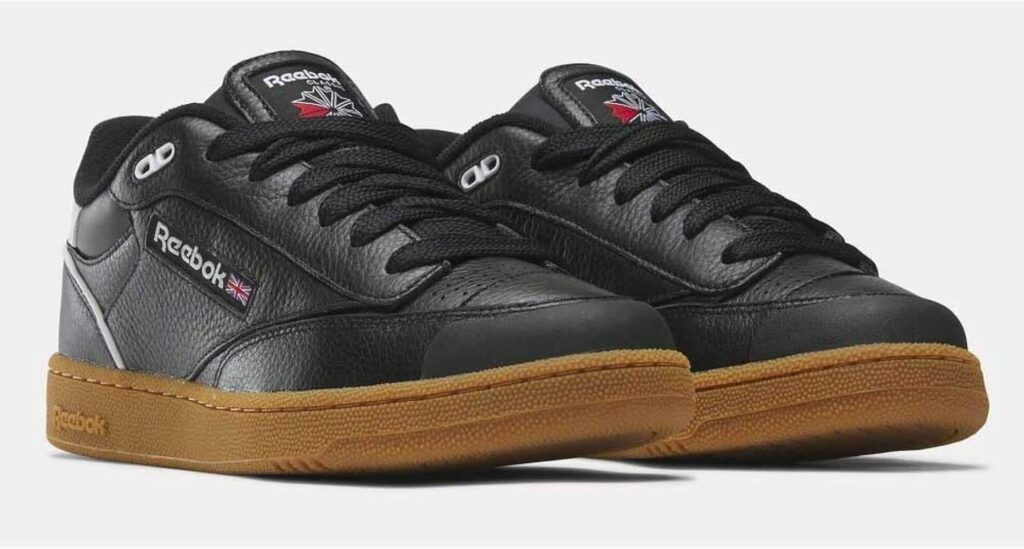
While classic designs like Club C and Classic Leather remained popular, they couldn’t carry the entire brand alone. Consumers looking for modern performance slowly stopped choosing reebok mens footwear for running, training, or competitive sports.
Marketing Missteps: Losing Cultural Relevance
Another major reason Reebok fell behind was weak marketing and poor cultural alignment.
In the 1990s, Reebok was deeply connected to:
- Hip-hop culture
- Basketball legends
- Fitness movements
But in the social media era, the brand failed to evolve its voice.
Nike dominated storytelling. Adidas mastered influencer culture. New brands spoke directly to Gen Z.
Reebok?
- Inconsistent campaigns
- Forgettable endorsements
- Limited presence in sneaker hype culture
Even when Reebok attempted collaborations, they often lacked longevity or buzz. Without cultural relevance, even high-quality reebok sneakers struggled to sell.
Over-Reliance on Retro Designs
Nostalgia can be powerful—but it can also be dangerous.
Reebok leaned heavily on:
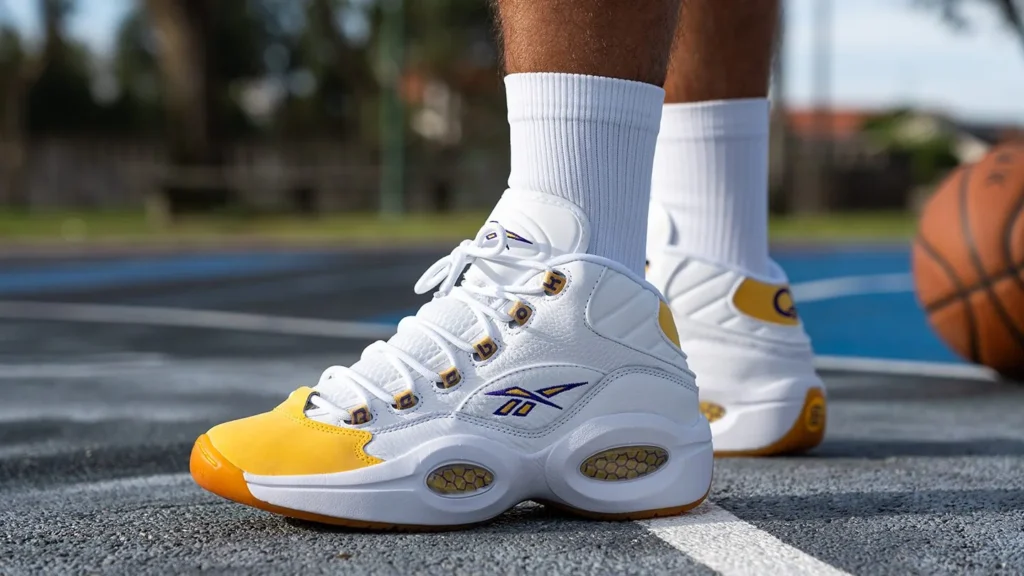
- Retro silhouettes
- Vintage colorways
- Archive re-releases
While this appealed to older fans, it failed to attract younger consumers who wanted innovation alongside nostalgia.
Retro designs should support a brand—not define it entirely. Reebok allowed its past to overshadow its future.
As a result, many consumers began seeing Reebok shoes as “safe,” “basic,” or “boring”—a damaging perception in an industry driven by excitement.
Pricing & Perception Problems
Another subtle but important issue was pricing strategy.
Reebok often sat in an awkward middle ground:
- Too expensive to be a budget brand
- Not premium enough to compete with Nike or Adidas
This confused customers. When faced with similar prices, many buyers preferred brands perceived as more innovative or prestigious.
Even high-quality reebok mens trainers struggled to justify their price without strong branding or tech advantages.
The Sale and Independence: A Second Chance?
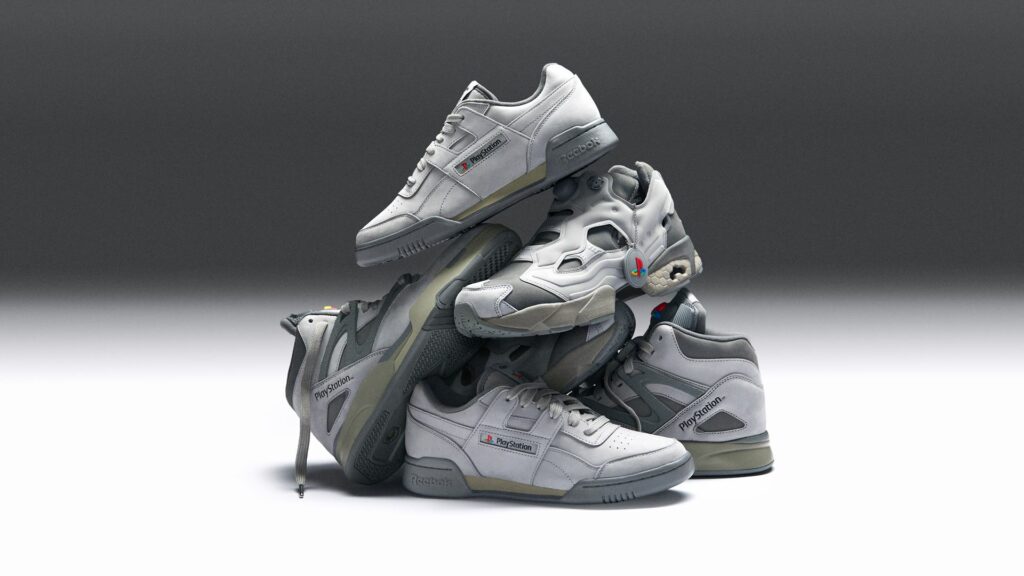
In 2021, Adidas sold Reebok, giving the brand independence again. This marked a critical turning point.
For the first time in years, Reebok had the opportunity to:
- Rebuild its identity
- Focus on core strengths
- Reconnect with fitness and training roots
There were promising signs:
- Renewed emphasis on gym and training culture
- Cleaner product lines
- Better storytelling around functional performance
However, rebuilding trust takes time. In a market flooded with new sneaker brands and limited attention spans, Reebok’s comeback must be strategic—not nostalgic.
What Reebok Still Gets Right
Despite its struggles, Reebok is far from irrelevant.
The brand still has strong advantages:
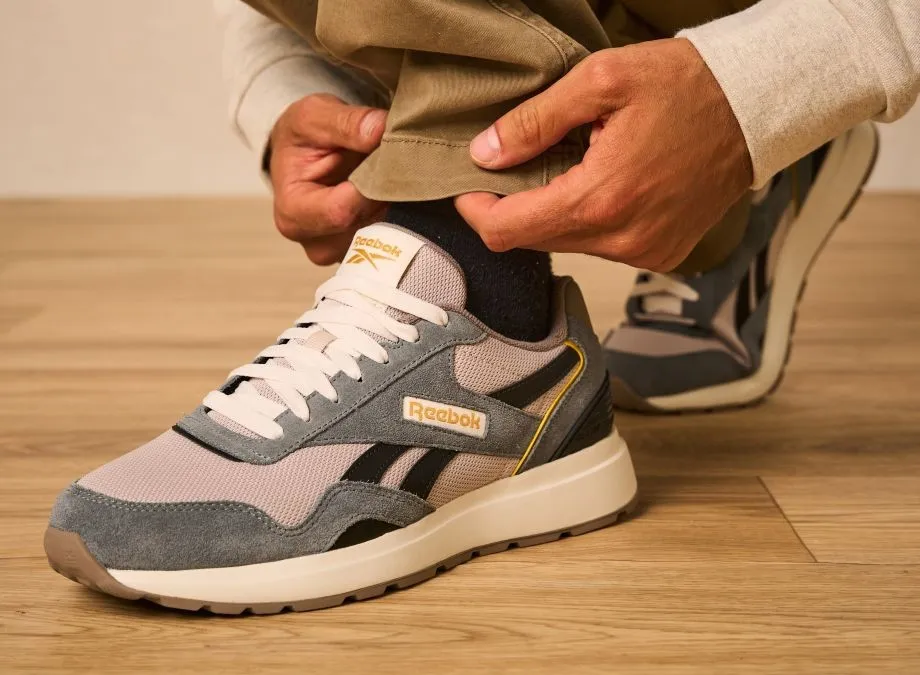
- Comfortable, durable reebok shoes
- Affordable, reliable reebok trainers for daily use
- Classic designs that never truly go out of style
- Loyal fans who believe in the brand’s heritage
For everyday wear, gym workouts, and casual styling, reebok sneakers remain a solid choice—especially for consumers who value comfort over hype.
What Reebok Must Do to Win Again
If Reebok wants to reclaim its position, it must:
- Define a clear identity – Fitness-first, performance-driven, modern
- Invest in innovation – New cushioning, materials, and performance tech
- Build cultural relevance – Authentic collaborations, not forced hype
- Target younger consumers – Without alienating loyal fans
- Modernize Reebok mens collections – Style + performance balance
Reebok doesn’t need to beat Nike or Adidas—it needs to be unmistakably Reebok again.
Reebok’s story isn’t just about failure—it’s about missed opportunities.
The brand lost focus, fell behind in innovation, and struggled with identity during a critical era. Yet, its foundation remains strong. With the right strategy, Reebok shoes and Reebok sneakers could once again earn respect—not through hype, but through purpose.
In a world obsessed with trends, Reebok has the chance to stand for something timeless: authentic fitness, real comfort, and honest performance.