
Choosing the right footwear is no longer just about style—it’s about performance, comfort, injury prevention, and long-term foot health. Many people unknowingly wear the wrong type of shoes for their activities, leading to discomfort, poor performance, or even serious injuries. That’s why understanding the difference between running and training shoes, the difference between walking and running shoes, and the difference between gym shoes and running shoes is essential.
In this detailed guide, we’ll break down running shoes, training shoes, gym shoes, and walking sneakers, explain how they are designed differently, and help you decide which one is right for your lifestyle. Whether you’re a runner, gym-goer, walker, or someone who does it all, this blog will clear all confusion.
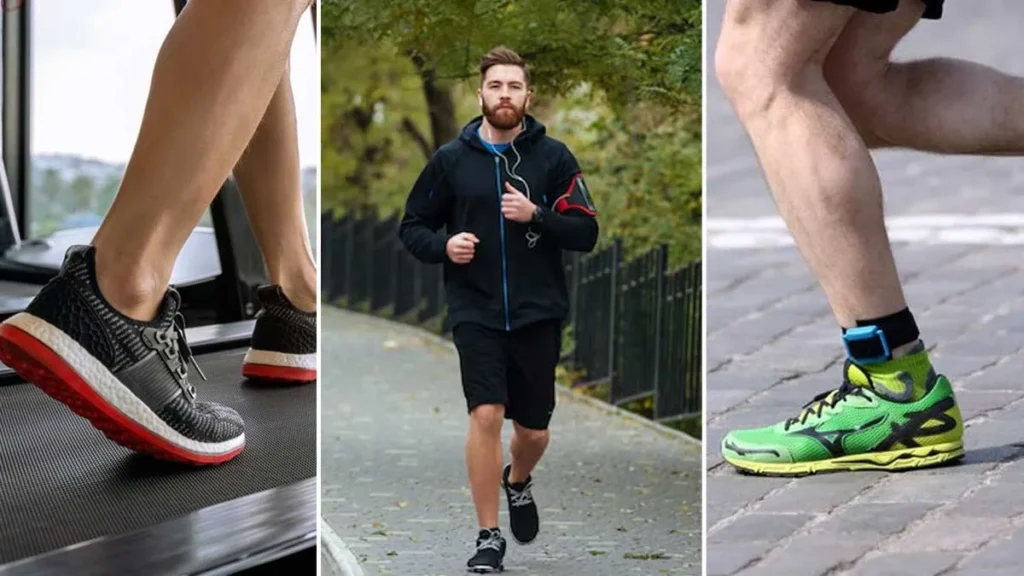
Why Shoe Type Matters More Than You Think
Shoes are engineered with specific movements in mind. Running involves forward motion and repetitive impact. Training involves side-to-side movement, lifting, and agility. Walking emphasizes heel-to-toe transitions. Using the wrong shoe for the wrong activity can cause:
- Foot pain and blisters
- Knee, ankle, or back strain
- Reduced performance
- Faster shoe wear
- Long-term injuries like plantar fasciitis
That’s why brands don’t just create “shoes”—they create activity-specific footwear.
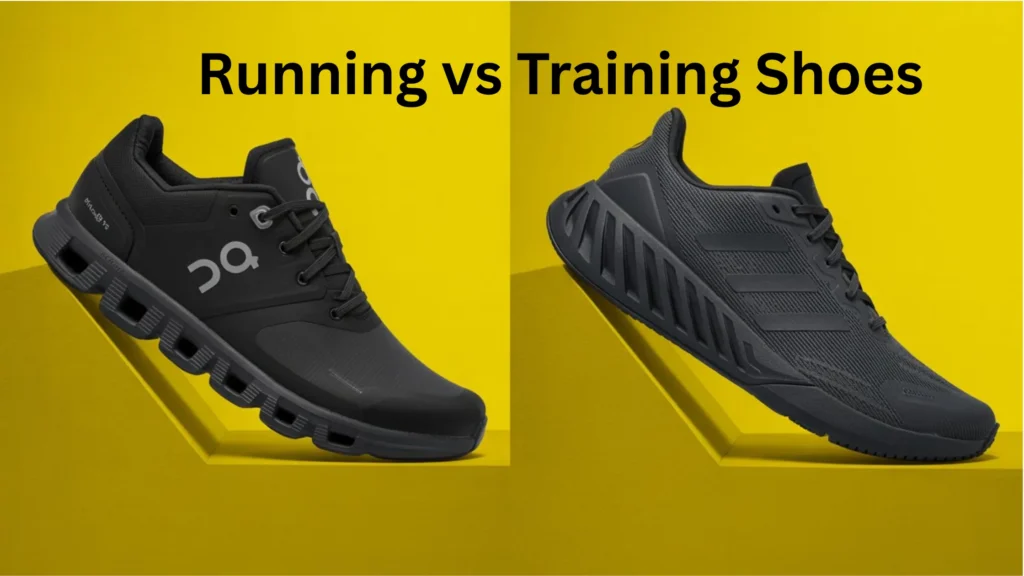
Difference Between Running Shoes and Training Shoes
One of the most searched questions in footwear is the difference between running shoes and training shoes, and for good reason—they may look similar but are built very differently.
Running Shoes: Designed for Forward Motion
Running shoes are engineered for straight-line movement and high-impact landings.
Key features of running shoes:
- Thick cushioning to absorb shock
- Lightweight construction
- Curved sole for smooth heel-to-toe transition
- Higher heel drop (heel sits higher than forefoot)
- Flexible forefoot
Running shoes are ideal for:
- Road running
- Treadmill running
- Long-distance runs
- Jogging and sprinting
Training Shoes: Built for Versatility
Training shoes (often called cross-training shoes) are designed for multi-directional movement.
Key features of training shoes:
- Flatter sole for stability
- Firmer cushioning
- Strong side support
- Durable outsole
- Better grip for gym floors
Training shoes are ideal for:
- Strength training
- HIIT workouts
- CrossFit
- Aerobics
- Functional fitness
Final Verdict
The difference between running shoes and training shoes comes down to movement:
- Running shoes = forward motion & impact absorption
- Training shoes = stability & side-to-side support
Using running shoes for gym workouts can feel unstable, while using training shoes for long runs can strain your feet.
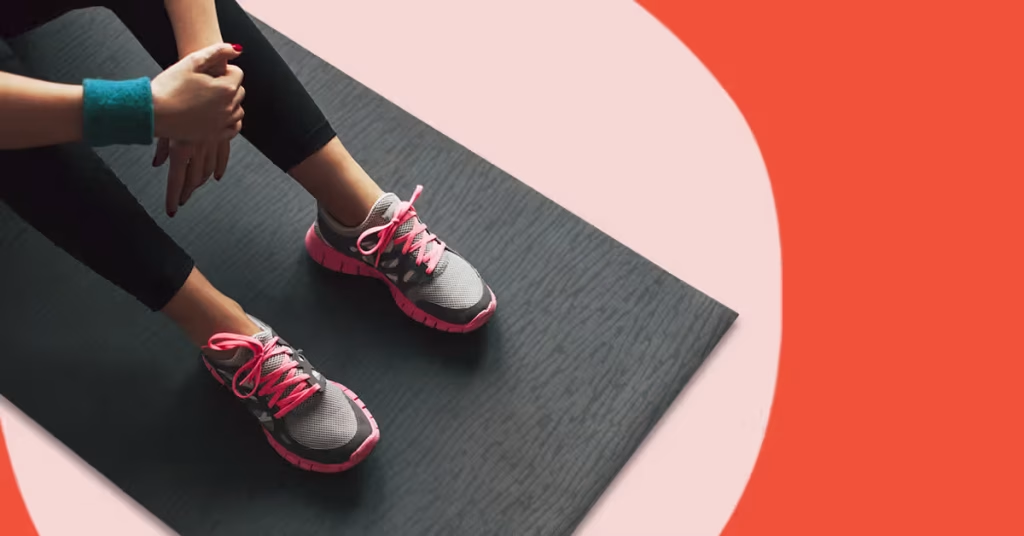
Difference Between Gym Shoes and Running Shoes
Many people think gym shoes and running shoes are the same—but they are not.
Gym Shoes
Gym shoes focus on stability, grip, and control. They’re designed to keep your feet grounded during workouts like squats, lunges, and jumps.
Gym shoe characteristics:
- Flat base
- Firm sole
- Strong heel support
- Excellent traction
Running Shoes
Running shoes prioritize comfort and shock absorption over stability.
Key Difference
The difference between gym shoes and running shoes lies in purpose:
- Gym shoes support lifting and agility
- Running shoes support repetitive impact and speed
If you lift weights in running shoes, your feet may wobble. If you run in gym shoes, your joints may take extra impact.
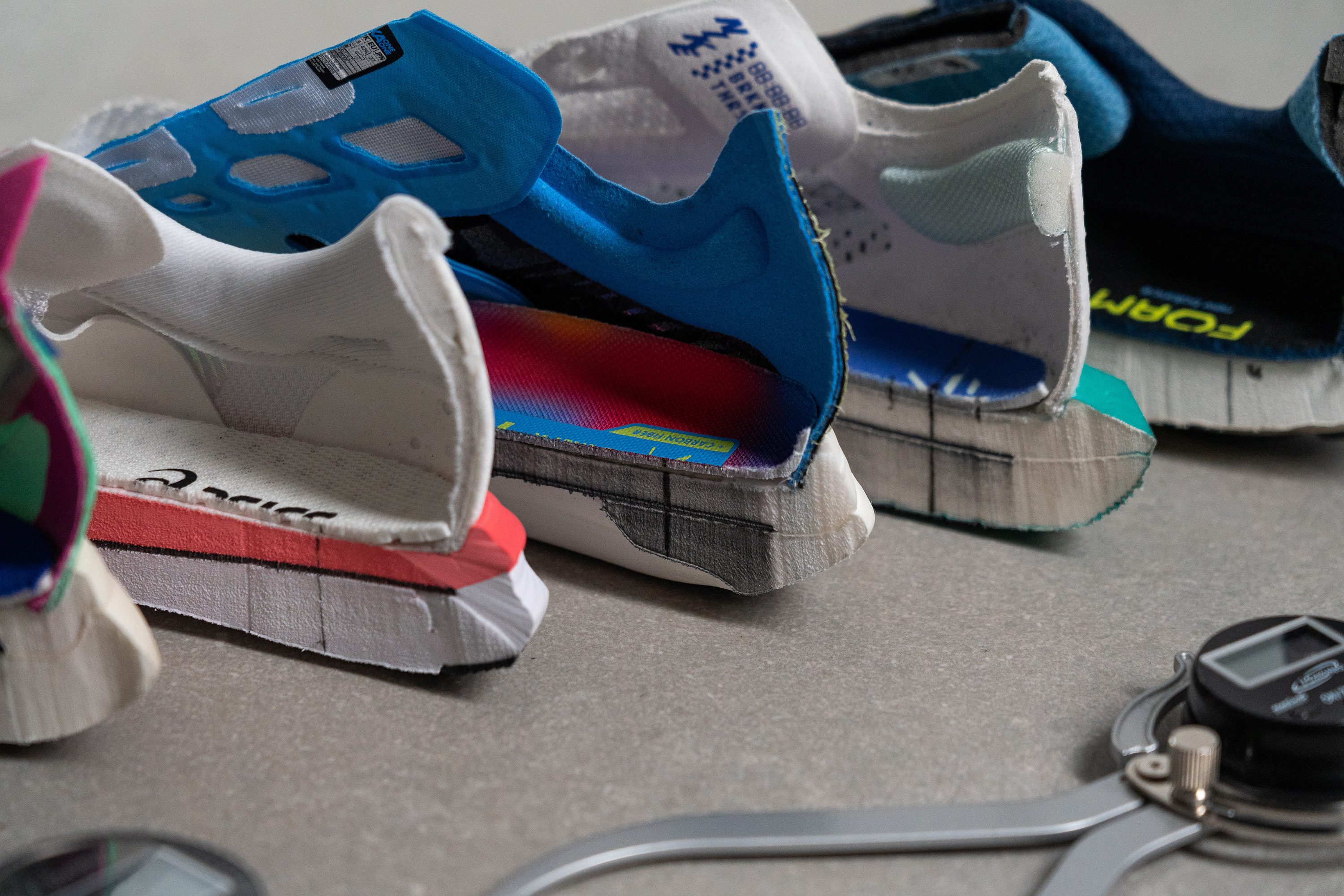
5
Difference Between Walking and Running Shoes
Another common confusion is the difference between walking and running shoes.
Walking Shoes: Made for Natural Stride
Walking involves a steady heel-to-toe motion with one foot always on the ground.
Features of walking shoes:
- Flexible sole
- Moderate cushioning
- Lower heel drop
- Lightweight
- Emphasis on comfort
Running Shoes: Built for Impact
Running includes moments where both feet are off the ground, creating higher impact forces.
Key Difference
The difference between walking and running shoes is impact handling:
- Walking shoes = comfort and flexibility
- Running shoes = cushioning and shock absorption
Using running shoes for walking may feel bulky, while walking shoes may lack protection for running.
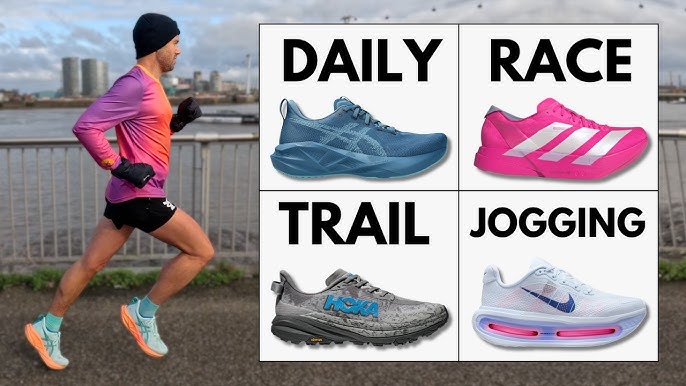
Difference Between Walking and Running Sneakers
Sneakers are often marketed as “all-purpose,” but there is still a clear difference between walking and running sneakers.
Walking Sneakers
- Designed for daily wear
- Softer midsole
- Stylish and comfortable
- Less aggressive cushioning
Running Sneakers
- Performance-focused
- Breathable mesh
- Advanced cushioning
- Lightweight design
Which Should You Choose?
- Choose walking sneakers for daily errands and casual walks
- Choose running sneakers for fitness walking or jogging
Can One Shoe Do Everything?
Many people ask if one shoe can handle running, gym workouts, and walking. The honest answer: not perfectly.
Hybrid or Cross-Training Shoes
Some training shoes can handle light jogging and gym workouts, but they’re not ideal for long-distance running.
If your routine includes:
- Short runs + gym → training shoes
- Long runs → running shoes
- Daily walking → walking shoes
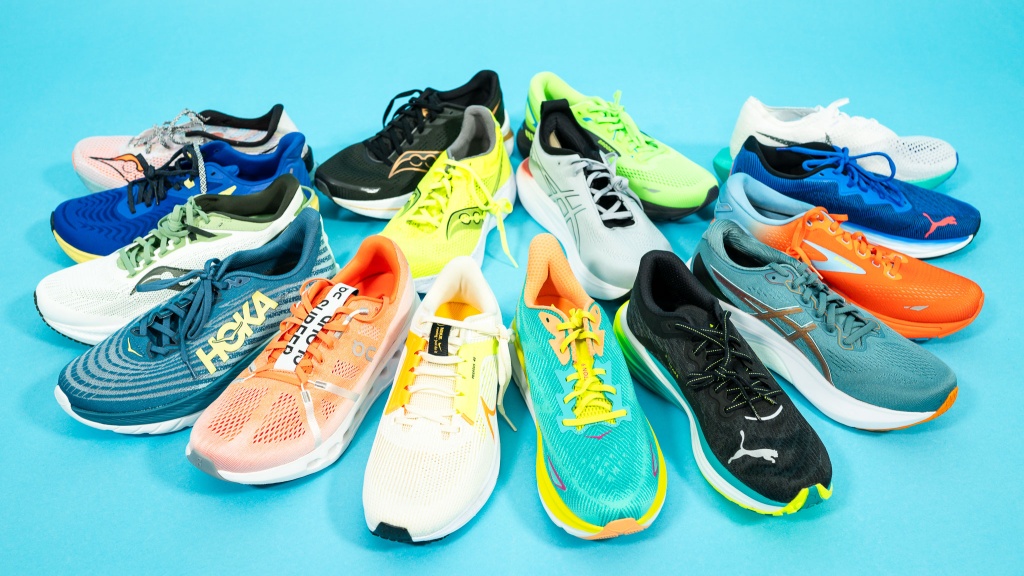
How Wearing the Wrong Shoes Affects Your Body
Wearing incorrect footwear doesn’t just affect your feet—it affects your entire body.
Common Problems
- Knee pain from poor shock absorption
- Ankle injuries from lack of stability
- Back pain from improper alignment
- Foot fatigue and soreness
Choosing the correct shoe reduces stress on joints and improves posture and performance.
How to Choose the Right Shoe for You
Here’s a simple guide:
Choose Running Shoes If You:
- Run regularly
- Jog on roads or treadmill
- Focus on speed or distance
Choose Training Shoes If You:
- Go to the gym
- Lift weights
- Do HIIT or CrossFit
Choose Walking Shoes If You:
- Walk daily
- Travel frequently
- Need all-day comfort
Choose Gym Shoes If You:
- Lift heavy
- Need balance and grip
- Do functional workouts
Conclusion: The Right Shoe Makes All the Difference
Understanding the difference between running and training shoes, the difference between walking and running shoes, and the difference between gym shoes and running shoes can transform your comfort, performance, and overall health.
Shoes are not just accessories—they are tools designed for specific movements. Wearing the right footwear helps you move better, feel better, and avoid injuries.
If you’re serious about fitness, walking, or running, invest in the right pair. Your feet—and your body—will thank you.