
Choosing the Perfect sports shoes is more important than most people realize. Whether you’re running, training at the gym, playing football, or simply wearing sports shoes as part of your daily lifestyle, the wrong pair can lead to discomfort, poor performance, or even long-term injuries. With so many options available today, understanding what truly matters can help you make a smarter, more confident purchase.
In this guide, we’ll break down how to choose the perfect sports shoes for everyday performance—based on expert insights, athlete experience, and real consumer needs.
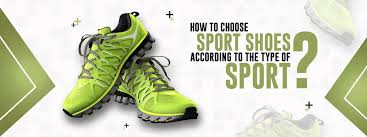
Why the Right Sports Shoes Matter
Perfect Sports shoes are designed to support movement, absorb impact, and protect your feet under stress. Wearing improper footwear can cause issues such as heel pain, knee strain, ankle injuries, and poor posture. Trusted sports brands like Nike, Adidas, and ASICS invest heavily in research to improve comfort, grip, and durability—showing how critical footwear design really is.
For everyday users, the goal is simple: comfort, performance, and durability in one pair.
Understand Your Purpose First
Before buying sports shoes, ask yourself one key question: What will I use them for most of the time?
- Running shoes are built with extra cushioning and shock absorption are perfect to start
- Training shoes focus on stability and lateral movement
- Football or sports studs provide grip and traction on turf or ground
- Casual sports sneakers balance style and comfort for daily wear
Using the wrong shoe for the wrong activity reduces performance and increases injury risk. Always match the shoe type with your primary activity.
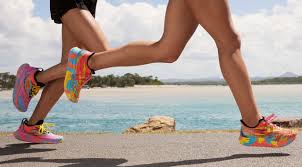
Focus on Comfort and Fit
How to Find Yours:
- Identify Your Sport: Running, training, court sports, etc., dictates the shoe’s core features.
- Know Your Foot: Check your arch type and pronation (how your foot rolls).
- Consider Your Goals: Long-distance comfort vs. fast sprints vs. stability.
- Try Them On: Shop at the end of the day, wear athletic socks, and ensure they feel good immediately.
Comfort should never be compromised. A good sports shoe should feel comfortable the moment you wear it—no “break-in period” excuses.
Key fit tips:
- There should be thumb-width space between your toes and the shoe front
- The heel should feel snug, not loose
- No pinching or pressure points on the sides
Breathable materials, padded collars, and flexible uppers play a major role in long-term comfort, especially in Indian weather conditions.
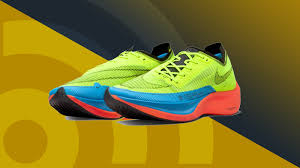
Cushioning and Sole Technology
Cushioning protects your joints from impact during walking, running, or jumping. EVA foam midsoles, rubber outsoles, and shock-absorbing layers help reduce stress on knees and ankles.
Look for:
- Good arch support for natural foot alignment
- Anti-slip rubber soles for better grip
- Balanced flexibility—not too stiff, not too soft
For everyday performance, moderate cushioning works better than overly soft or extremely hard soles.https://gunners.in/
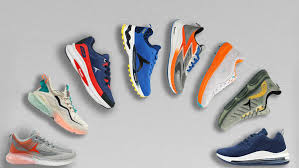
Durability and Build Quality
Sports shoes are an investment. High-quality stitching, strong sole bonding, and durable materials ensure your shoes last longer—even with regular use.
Signs of durable shoes:
- Reinforced toe area
- Solid outsole grip
- Quality fabric or synthetic upper
Reliable brands and experienced manufacturers usually deliver better durability because of consistent quality checks and material testing.https://www.nike.com/in/w/mens-football-shoes-1gdj0znik1zy7ok
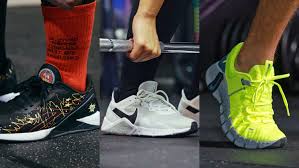
Style Meets Performance and makes it perfect
Modern sports shoes don’t just perform well—they look Perfect too. Today’s designs allow you to wear sports shoes at the gym, on the street, or even for casual outings.
Choose neutral colors if you want versatility, or bold designs if you want your footwear to stand out. The Perfect sports shoes balance performance + style, without compromising either.
Sport-Specific Design:
Running: Good cushioning (responsive, maximum, or supportive), durable outsole, and shock absorption (heel/forefoot).
Court Sports (Tennis/Badminton): Midfoot support, flat sole, tight grip for quick turns.
Football/Outdoor: Studded soles/cleats for traction on varied terrain.
Cross Trainers: Flexibility in the forefoot, good side-to-side support for varied workouts.