
Walk into any gym and you’ll see people lifting heavy weights, running on treadmills, smashing HIIT circuits, or holding yoga poses. Everyone focuses on the workout plan, the diet, and the motivation — but one of the most underrated performance tools is right under your feet. Gym shoes are not just accessories; they are performance equipment that directly impact your results, safety, and long-term progress.
In this in-depth guide, we’ll break down everything you need to know about gym shoes, workout shoes, gym trainers, and athletic shoes — how they differ, why they matter, and how choosing the right pair can completely change the way you train. Whether you’re a beginner or a seasoned athlete, this guide will help you make smarter decisions for your fitness journey.
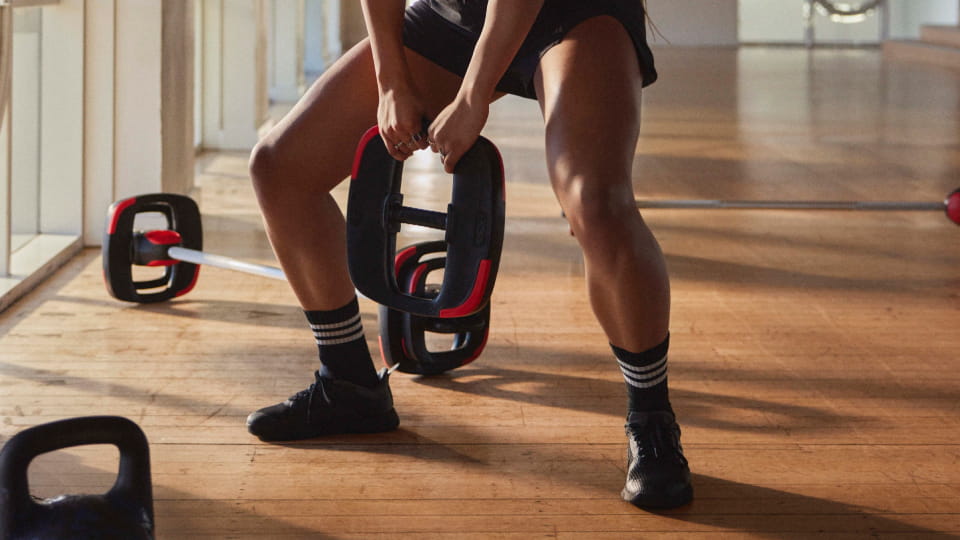
Why Gym Shoes Matter More Than You Think
Most people assume that “any sports shoe” will work for workouts. That assumption often leads to injuries, poor performance, and discomfort. The truth is simple: your feet are your foundation. If the foundation is unstable, everything above it suffers.
Good Balanced shoes help you:
- Maintain proper posture and balance
- Reduce pressure on joints and ligaments
- Improve power transfer during lifts
- Enhance comfort during long training sessions
- Prevent common injuries like plantar fasciitis, ankle rolls, and knee strain
When your footwear supports your movement instead of fighting it, your workouts instantly become more efficient.
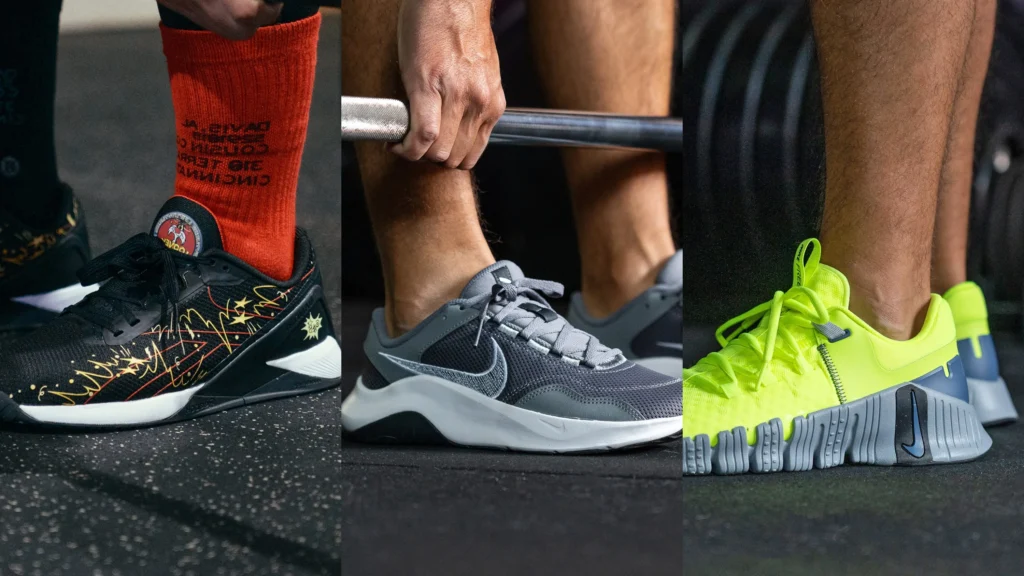
Understanding Gym Shoes vs Workout Shoes vs Gym Trainers
These terms are often used interchangeably, but they actually serve slightly different purposes.
Training Shoes
Trainingshoes are designed for indoor training environments. They prioritize stability, grip, and durability. Ideal for strength training, machines, and controlled movements.
Workout Shoes
Workout shoes are versatile. They’re built for mixed training styles such as cardio, light running, circuit training, and functional workouts. They offer a balance of cushioning and support.
Gym Trainers
These trainers focus on multi-directional movement. If your workouts include lateral moves, jumping, agility drills, or CrossFit-style training, gym trainers are your best friend.
Athletic Shoes
Athletic shoes are a broad category that includes running shoes, training shoes, court shoes, and more. For Workout use, not all athletic shoes are suitable — choosing the right sub-type is crucial.
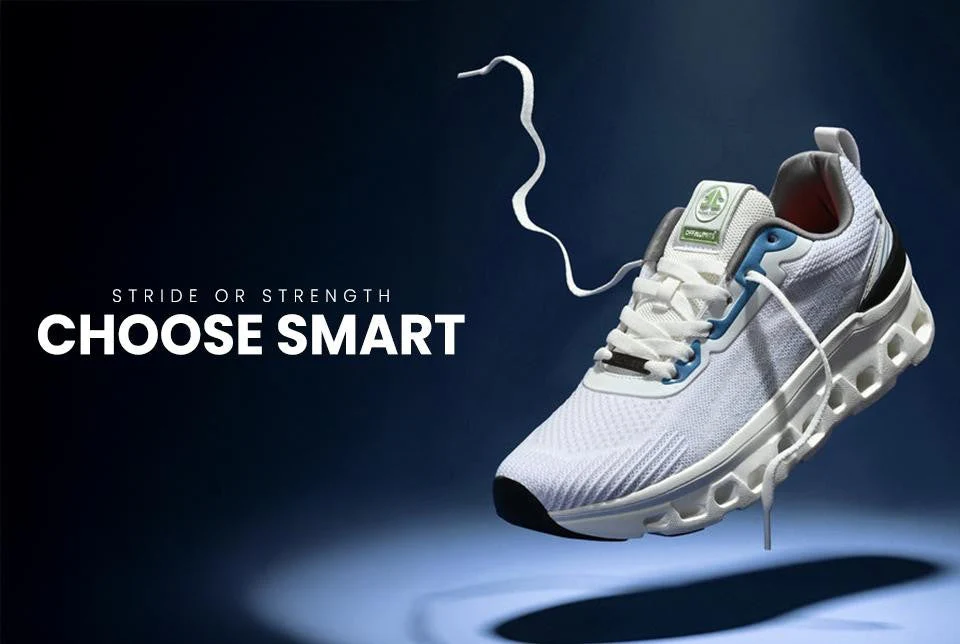
How the Right Workout Shoes Improve Performance
Your shoes directly influence how efficiently your body moves. Let’s break down how proper workout shoes enhance performance:
1. Better Stability During Strength Training
When lifting weights, especially squats and deadlifts, a stable base is essential. Flat soles with minimal compression allow you to generate maximum force without wobbling.
2. Improved Energy Return
Modern gym trainers use advanced foam technology to return energy with each step. This reduces fatigue and keeps you going longer.
3. Enhanced Grip and Traction
High-quality athletic shoes feature durable rubber outsoles that grip gym floors, preventing slips during lunges, burpees, or box jumps.
4. Reduced Injury Risk
Shoes with proper arch support and heel stability protect your joints from unnecessary stress, especially during repetitive movements.
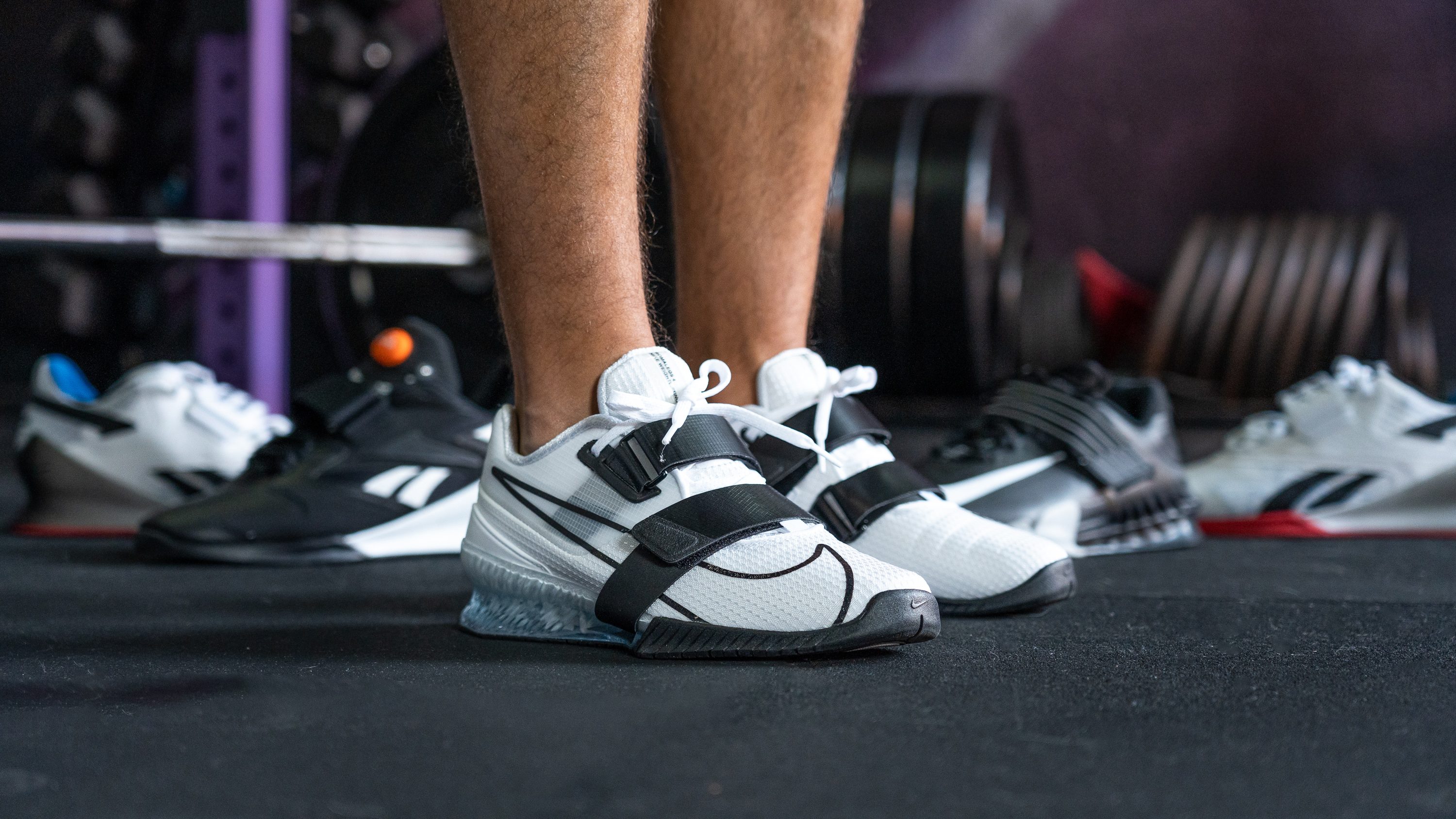
Key Features to Look for in Trainers
Not all gym trainers are built the same. Here’s what separates an average pair from a great one:
Breathability
Sweaty feet cause discomfort and odor. Mesh uppers allow airflow, keeping your feet cool even during intense sessions.
Cushioning Balance
Too much cushioning reduces stability; too little increases impact stress. The best workout shoes strike a perfect balance.
Heel Support
A firm heel counter keeps your foot locked in place, improving alignment and confidence during lifts.
Flexible Forefoot
Your toes should move naturally during push-offs, jumps, and sprints.
Durability
Frequent workouts demand tough materials that won’t break down quickly.
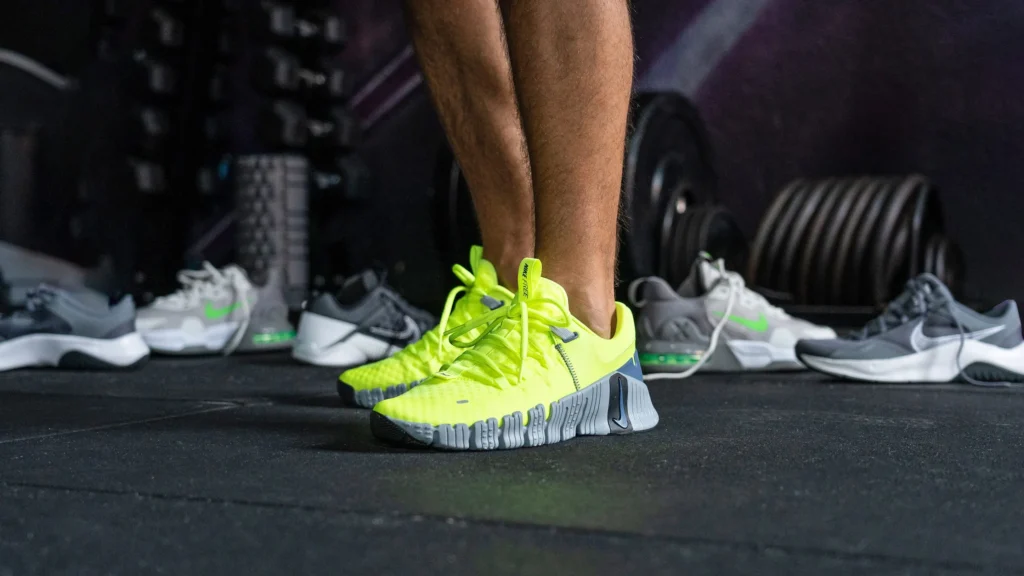
Choosing Athletic Shoes Based on Workout Style
Your training style should dictate your footwear choice.
Weight Training
Look for gym shoes with:
- Flat, stable soles
- Minimal cushioning
- Strong heel support
Cardio & HIIT
Choose workout shoes that offer:
- Lightweight construction
- Responsive cushioning
- Excellent grip
Functional Training
Gym trainers designed for:
- Multi-directional movement
- Reinforced sidewalls
- Flexible yet stable midsoles
All-Round Fitness
If your routine mixes everything, versatile athletic shoes are the safest option.
Common Mistakes People Make When Buying Gym Shoes
Even fitness enthusiasts make these errors:
- Using running shoes for heavy lifting
- Buying shoes purely for style
- Ignoring arch type and foot shape
- Wearing worn-out shoes beyond their lifespan
- Choosing incorrect sizing
Avoiding these mistakes can save you from discomfort and long-term injuries.

How Often Should You Replace Your Workout Shoes?
Workout shoes don’t last forever. On average:
- Regular gym users: Replace every 6–9 months
- Heavy trainers: Replace every 4–6 months
- Casual users: Replace once a year
Signs it’s time for new gym shoes:
- Flattened soles
- Reduced grip
- Heel slippage
- Foot or knee pain
Fresh shoes mean fresh performance.
Why Comfort Should Never Be Compromised
No matter how advanced the design, gym shoes must feel comfortable. Discomfort leads to distraction, poor form, and shorter workouts. Always prioritize:
- Correct fit
- Adequate toe room
- Secure lockdown without pressure points
Comfort is not a luxury — it’s a performance requirement.
The Psychological Boost of the Right Athletic Shoes
There’s also a mental side to fitness. Wearing the right gym trainers boosts confidence, motivation, and discipline. When your shoes feel right, you feel more prepared to push harder and stay consistent.
Consistency is what transforms fitness from a phase into a lifestyle.
Your gym shoes carry you through every rep, every sprint, and every drop of sweat. Choosing the right gym shoes, workout shoes, gym trainers, or athletic shoes isn’t about fashion — it’s about performance, safety, and long-term results.
When you invest in the right footwear:
- Your workouts become more efficient
- Your body stays protected
- Your progress accelerates
In fitness, small choices create big outcomes — and the right pair of gym shoes might just be the smartest choice you make.