
In today’s fast-moving digital world, trend is no longer just a word—it’s a powerful force that shapes what we wear, buy, post, and even think. One day something is on trend, dominating social media and store shelves, and the next day it quietly slips into a down trend, replaced by something newer and shinier. Understanding how trends work is no longer limited to designers or marketers; it’s essential knowledge for brands, creators, and consumers alike.
This blog explores the complete lifecycle of a trend—from the moment a trendsetter introduces it, to its rise as a current trend, and finally to the inevitable down trend. Whether you’re building a fashion brand, running an online store, or simply want to stay ahead of what’s next, this deep dive will help you see trends not as accidents, but as predictable patterns.
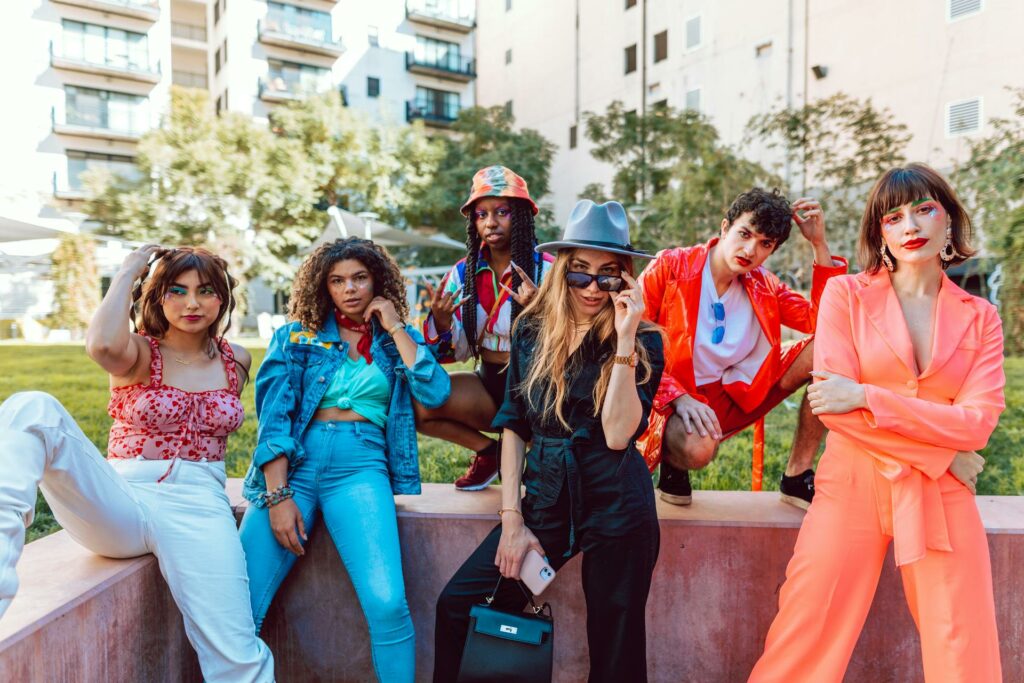
What Is a Trend, Really?
A trend is a general direction in which something is developing or changing. In fashion, lifestyle, footwear, or digital culture, a trend represents a shared behavior adopted by a large group of people over time. Trends can be visual (clothing styles, colors, silhouettes), functional (comfort-driven designs), or even emotional (nostalgia, minimalism, rebellion).
What makes trends fascinating is that they reflect society itself. Economic shifts, technology, pop culture, and even global events influence which trends rise and which fall. That’s why trends are never random—they are reactions.
The Role of a Trendsetter: Where It All Begins
4
Every trend starts with a trendsetter. A trendsetter is not someone who follows what’s popular; they create what becomes popular. These individuals or groups experiment before the rest of the world catches on. Trendsetters are often:
- Designers pushing unconventional ideas
- Influencers with strong personal style
- Artists and musicians
- Athletes and cultural icons
- Youth subcultures
Trendsetters don’t wait for approval. They wear, use, or promote something because it resonates with their identity. The authenticity is what makes others pay attention. Once people start copying them, a trend is born.
Importantly, trendsetters don’t need massive reach. Sometimes, one bold idea seen by the right audience can spark a movement.
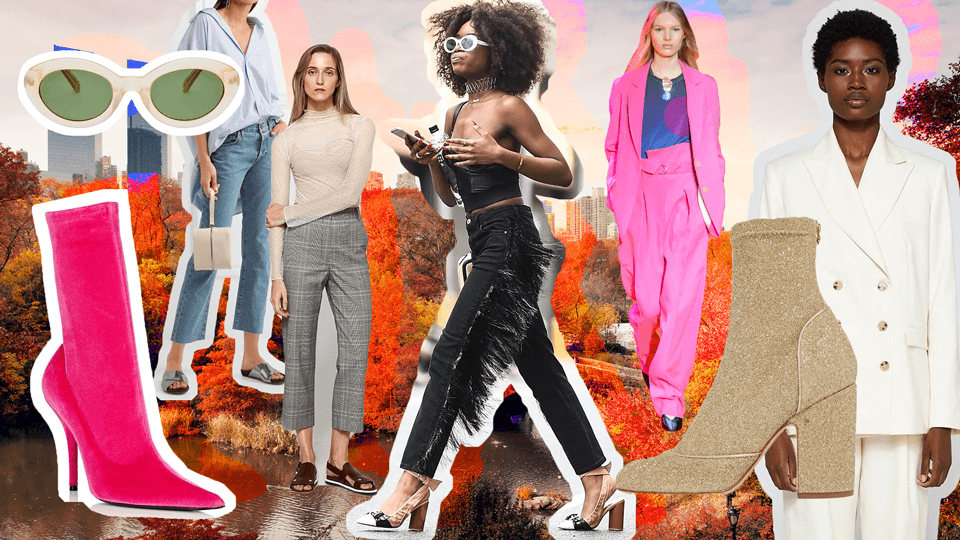
From Niche to Mass: When Something Becomes “On Trend”
Once early adopters begin embracing an idea, it moves from niche to mainstream. This is when a trend becomes on trend.
At this stage:
- Brands start producing similar designs
- Social media amplifies visibility
- Search volume increases
- Consumers feel social pressure to participate
Being “on trend” means something is widely accepted and desirable right now. It appears in advertisements, online stores, reels, and everyday conversations. This phase is often the most profitable for businesses, as demand is high and curiosity peaks.
However, this is also the most dangerous phase—because overexposure can kill a trend faster than anything else.
Understanding the Current Trend Mindset
4
A current trend reflects what people want now, not what they wanted last season. Today’s consumers are more informed and selective than ever. They don’t just follow trends blindly—they evaluate them based on comfort, practicality, values, and personal identity.
Some key characteristics of current trends include:
- Comfort-first thinking: People want styles that fit real life
- Versatility: One product, multiple uses
- Authenticity: Story and purpose matter
- Individual expression: Trends are adapted, not copied
Current trends move faster than ever before. What once took years to evolve can now rise and fall within months. That’s why brands must stay agile and observant instead of relying on past success.
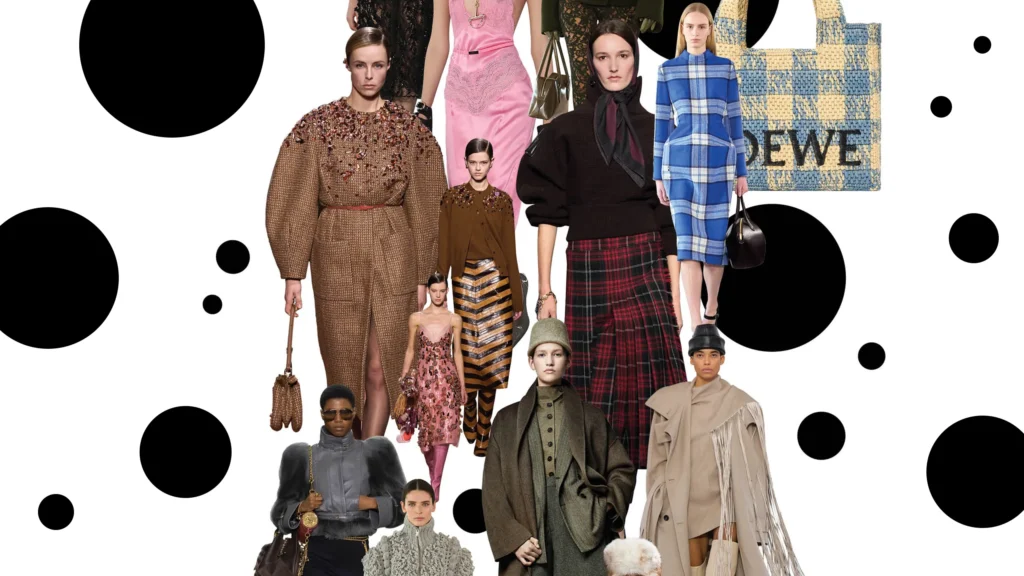
The Peak of a Trend: Success or Saturation?
Every trend reaches a peak—a moment when it feels like everyone is doing it. At this point, the trend is highly visible but also vulnerable.
Signs a trend is peaking:
- It’s everywhere, across all price points
- Original adopters start abandoning it
- People call it “overrated” or “too common”
- Parodies and memes appear
Ironically, mass success often signals the beginning of the end. Once a trend loses its sense of exclusivity or originality, it slowly slides toward a down trend.
The Down Trend: Why Trends Lose Power
4
A down trend doesn’t mean a trend was bad—it simply means it has completed its lifecycle. Consumers move on because:
- The trend feels repetitive
- New alternatives emerge
- Cultural priorities shift
- The market becomes oversaturated
In a down trend phase, sales slow down, visibility drops, and relevance fades. Brands that fail to recognize this stage often hold excess inventory or lose credibility by pushing outdated ideas.
However, smart brands don’t fear down trends—they learn from them.
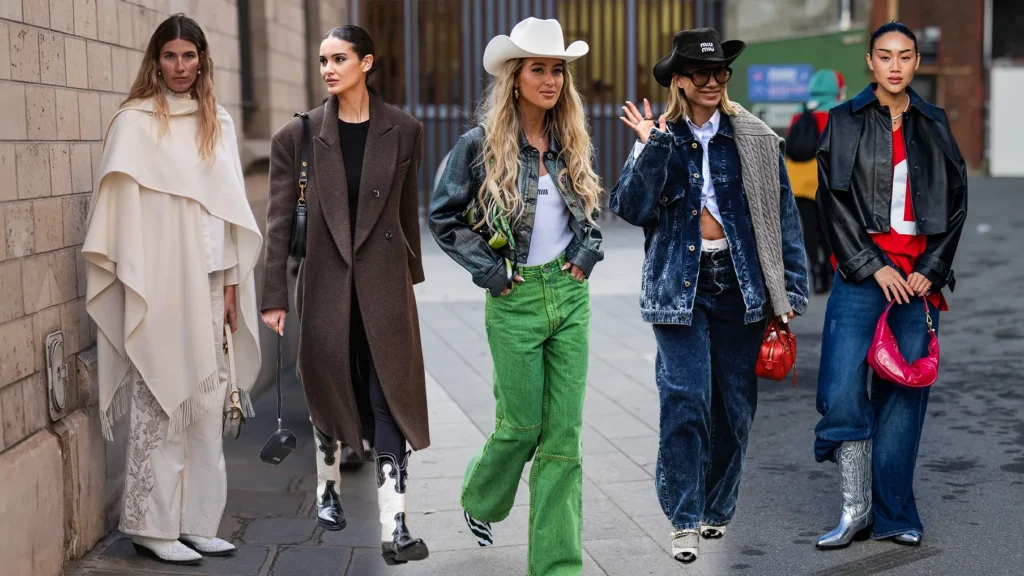
Can Down Trends Make a Comeback?
Absolutely. Fashion and lifestyle trends are cyclical. Many trends that once faded later return with a fresh twist. What makes the difference is reinterpretation.
A trend revival works when:
- It aligns with modern values
- It’s updated with better materials or technology
- It’s introduced to a new generation
This is why understanding trends deeply matters more than just following them. A brand that knows why a trend failed can bring it back successfully.
How Brands Can Stay Ahead of Trends
For businesses, especially in fashion and footwear, trends are both an opportunity and a risk. Here’s how to stay ahead:
- Observe trendsetters, not just competitors
- Adapt trends to your brand identity
- Focus on long-term value, not short-term hype
- Listen to customer behavior, not just likes
- Prepare for the down trend before it starts
Brands that chase every trend often lose direction. Brands that understand trends build loyalty.
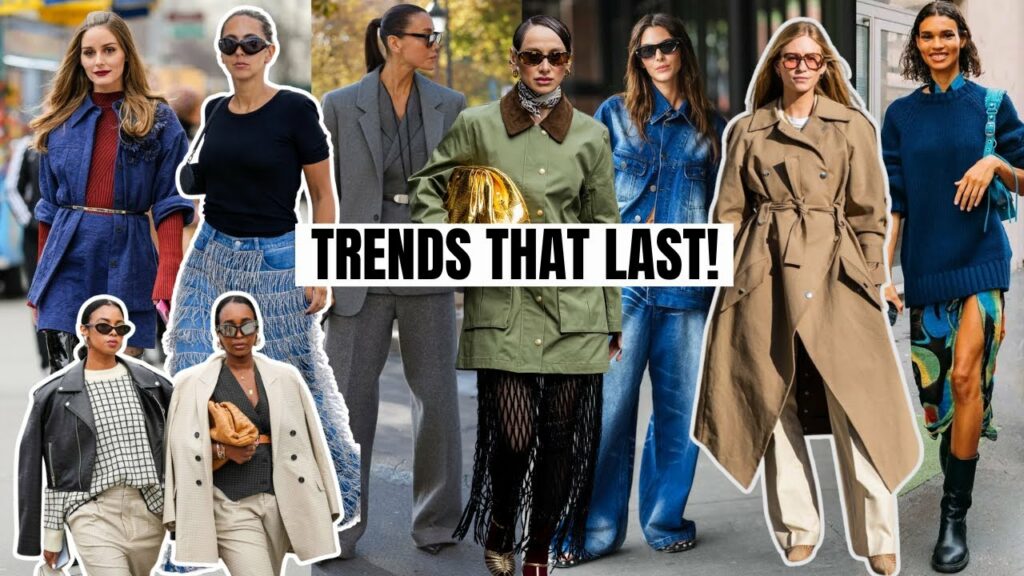
The Future of Trends: Slower, Smarter, More Personal
The future of trends is shifting. Consumers are moving away from mindless trend-hopping toward thoughtful choices. Trends will still exist, but they will be more personalized, value-driven, and purpose-led.
The next generation of trendsetters won’t just define what looks good—they’ll define what feels right.
A trend is a story. It begins with a trendsetter, rises to become on trend, dominates as a current trend, and eventually fades into a down trend. Understanding this cycle gives you power—whether you’re a brand, creator, or conscious consumer.
Instead of chasing trends, learn to read them. Because the real trendsetters aren’t the ones who follow what’s popular—they’re the ones who understand what comes next.