
When people buy shoes, most attention goes to the upper design, color, Technology or brand name. But the real hero of any shoe lies underneath—the outsole. The outsole is the part of the shoe that directly contacts the ground, and its design plays a major role in grip, balance, durability, safety, and performance. Whether you’re running, training, playing football, or walking daily, outsole technology can make or break your experience.
In this blog, we’ll explore why outsole technology matters, how it works, and how choosing the right sole can dramatically improve comfort and confidence.
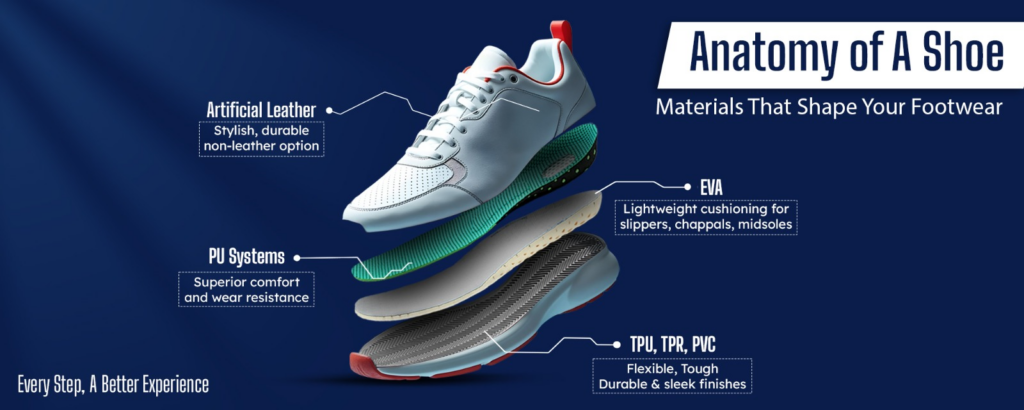
What Is an Outsole Technology and Why Is It Important?
The outsole is the bottom-most layer of a shoe, usually made from rubber, EVA, TPU, or a combination of materials. Its main job is to provide traction, protect your feet from the ground, and support natural movement.
- Prevent slipping on different surfaces
- Absorb impact during walking or running
- Improve stability during turns and stops
- Extend the life of the shoe
Without a good outsole, even the most premium shoe feels unsafe and uncomfortable.
Grip Technology : The Foundation of Safe Movement
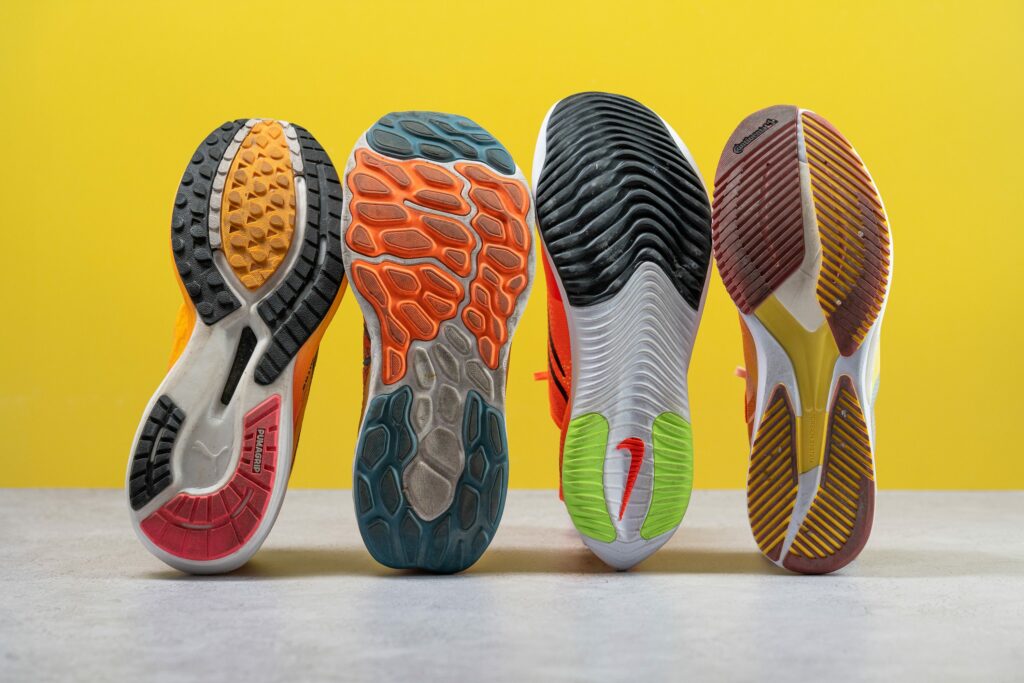
Grip is the most critical function of an outsole. Different grip patterns are designed for different purposes.https://gunners.in/
- Deep grooves and lugs improve traction on rough or outdoor surfaces
- Flat, wide patterns provide stability for gym and training shoes
- Multi-directional patterns support quick turns in sports like football or basketball
Good grip gives confidence. When your foot doesn’t slip, your body moves naturally and powerfully.
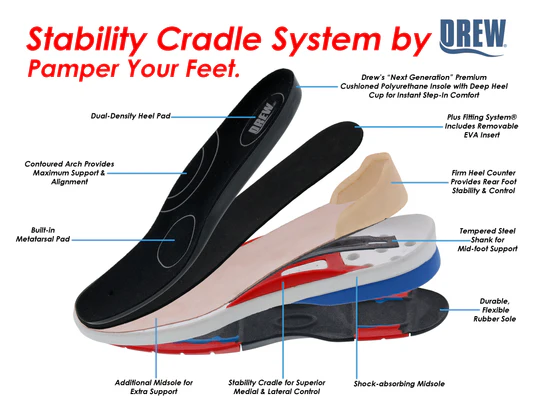
Balance and Stability in Every Step
Balance starts from the ground. Outsole width, shape, and firmness determine how stable you feel while standing or moving.
A stable outsole:
- Keeps your foot aligned
- Reduces wobbling during workouts
- Helps distribute body weight evenly
For sports shoes, stability is crucial during sudden movements. For casual wear, it reduces fatigue during long hours of walking or standing.
Durability: Shoes That Last Longer
Outsoles take the maximum abuse—friction, heat, water, and pressure. That’s why outsole material quality directly affects shoe lifespan.
Durable outsole features include:
- High-abrasion rubber
- Reinforced high-wear zones (heel and forefoot)
- Strong bonding with the midsole
A durable outsole doesn’t wear out unevenly and maintains grip even after months of use.
Flexibility vs Control: Finding the Right Technology
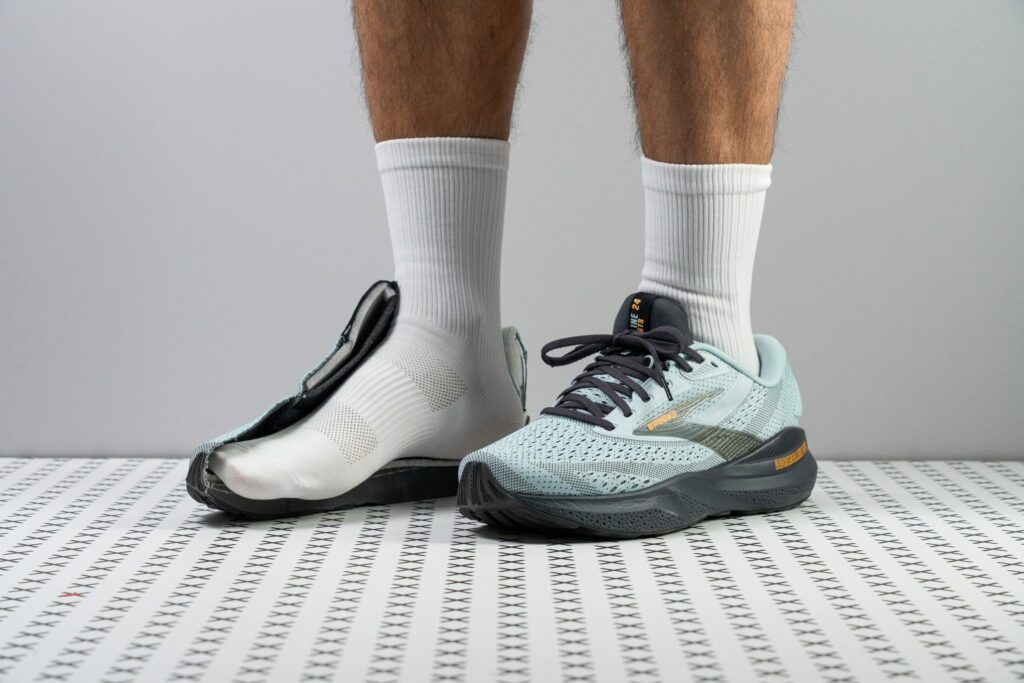
A good outsole must flex where your foot naturally bends, usually at the forefoot, while remaining firm at the heel for support.
- Too stiff: Restricts movement and causes discomfort
- Too soft: Reduces stability and control
Modern outsole designs use flex grooves to allow natural motion without sacrificing support.
Outsole Design By Different Technology
Not all outsoles are the same because not all activities are the same.
- Running shoes: Lightweight outsoles with shock absorption and forward motion support
- Training shoes: Flat, stable outsoles for lifting and lateral movements
- Football studs: Studded or patterned soles for aggressive grip
- Casual sneakers: Balanced outsoles for comfort and everyday durability
Choosing the right outsole for your activity improves both safety and performance.
Shock Absorption and Joint Protection
Outsoles work together with midsoles to reduce impact. Proper shock absorption protects joints like ankles, knees, and hips.
Benefits include:
- Reduced heel pain
- Less muscle fatigue
- Better posture during movement
This is especially important for people who walk or stand for long hours daily.
How Outsole Design Improves Confidence
When you trust your footing, you move with confidence. A reliable outsole allows you to focus on performance instead of worrying about slipping or discomfort.
Confidence comes from:
- Predictable grip
- Stable landings
- Smooth transitions between movements
This mental advantage matters just as much as physical comfort.
How to Check Outsole Quality Before Buying
Before purchasing shoes:
- Bend the shoe—check flexibility
- Inspect grip patterns
- Feel the rubber quality
- Look at high-wear zones
- Match the outsole to your activity
A few seconds of checking can save months of discomfort.